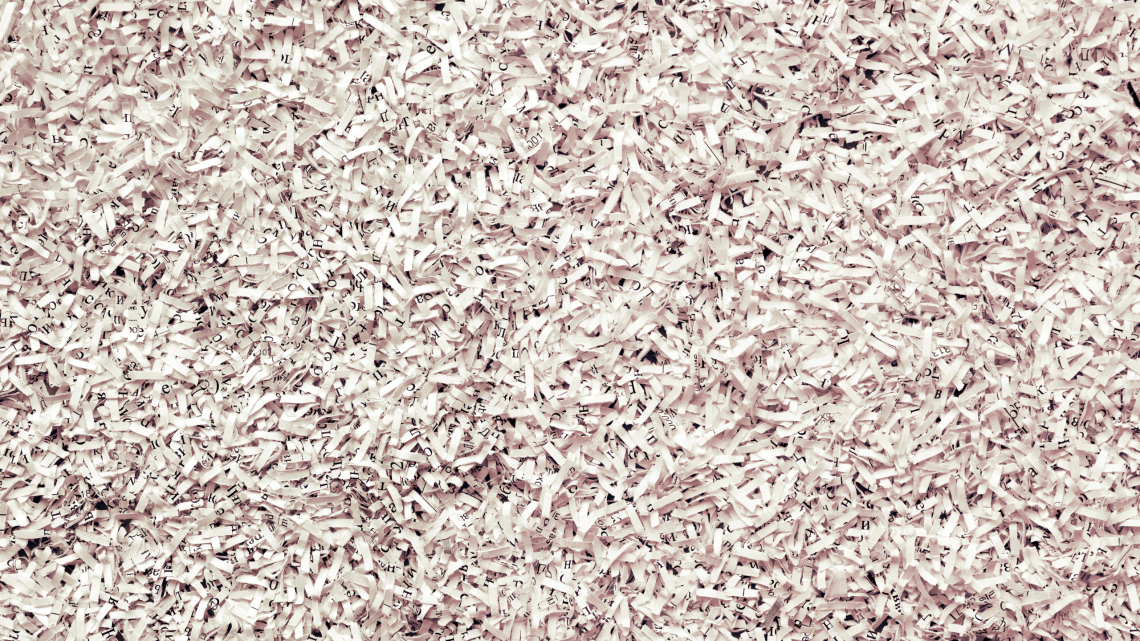
In an age where data breaches, identity theft and regulatory fines are real threats, your everyday office documents can turn into ghosts from the past if not dealt with correctly. Let’s walk through why shredding matters – and then I’ll reveal the 10 shred-worthy document types you should act on now … especially while our Halloween shredding sale is live for top-tier, POPIA approved, machines.
Why shredding is vital for privacy & compliance
- Protect sensitive information
Printed documents remain a significant risk in South Africa — even as digital storage grows, paper records still harbour confidential data. When you throw away sensitive documents without proper destruction, you open the door to identity theft, competitive leaks and fraud. - Regulatory compliance & legal exposure
Under the Protection of Personal Information Act (POPIA), companies must destroy personal information “in a manner that prevents its reconstruction in an intelligible form”. (SME Toolkit) Non-compliance can lead to substantial fines, reputational damage and even criminal exposure. - Business risk & operational cost
It’s not just fines. Leaked strategic documents, client lists or financial reports can undermine competitive advantage, weaken customer trust and cost your business far more than the cost of proper shredding. - Shredding safety and document lifecycle control
A secure document disposal process (with shredding) ensures you control the end-of-life of your records. According to South African industry commentary, properly placed high-security shredders in key areas (mailrooms, archive rooms, etc.) make compliant destruction part of the daily workflow. In our offices, we make sure that we have shredders in “all the right places” to make document security a part of daily life for everyone.
In short: If you treat your sensitive paper records like they’re disposable, you risk them coming back to haunt you. Instead – remove the risk entirely.
10 Things You Should Shred Before They Come Back to Haunt You
Here are ten categories of documents that B2B/corporate buyers (and their organisations) should prioritise for shredding, especially under the lens of “paper shredders South Africa” and “data protection”.
- Client/member/employee personal data records
Includes contact info, ID numbers, payroll records, addresses. If your business holds personal information, you must securely dispose of it once it’s no longer required. - Outdated financial statements, tax returns and invoices
Financial documents may contain account numbers, sales figures, cost structures and more. When they’re no longer needed, shred them — don’t archive indefinitely without control. - Old contracts, agreements and legal documents
Contracts may include proprietary information, signatures, terms and conditions. If they are expired or superseded, shredding ensures they don’t become a liability. - Medical, health or insurance records
These are highly sensitive under POPIA and other standards. If you remain legally obliged to keep certain records, archive securely; if not, shred. - Employee performance evaluations, HR files, termination letters
Such records often contain personal data, internal notes, confidential assessments. Their disposal needs to be secure. - Confidential marketing plans, R&D documents, trade-secret materials
These are business risk rather than just privacy risk — leaked strategic documents can give competitors an edge. - Outdated customer lists, prospect databases, vendor details
Hanging onto old databases increases risk: data may be stale, unsecured, and ready for re-use by unauthorised parties. Every sales dapartment shoud have a shredder at its disposal. - Printed copies of digital media (backups, log files, CDs/DVDs) that are obsolete
Even if you purge digital data, printed versions or on-media versions must be destroyed in a way that prevents reconstruction. (SME Toolkit) - Mail, printed correspondence, invoices, offers no longer needed
Often overlooked: outbound mail, printed offers, internal communications – these can contain personal or sensitive data. - Archive boxes of paper that have exceeded retention schedules
Many organisations accumulate “junk” paper that’s obsolete but still sits in archives. Clean-out time is ideal for shredding.
Why now — and why the Halloween sale matters
With Halloween around the corner, it’s a good moment to invoke the “haunting” metaphor: neglected documents are like ghosts of your compliance past creeping back when you least expect them. Investing in a reliable machine now means you proactively exorcise those risk-ghosts. And with a Halloween-style “shredding sale”, you can get a premium machine at a favourable price — a smart corporate move.
Ready to act? Secure a top-tier shredder.
If you’re serious about shredding safety, data protection and compliance – consider the following reliable machines:

Don’t wait until the haunting begins.
With the Halloween shredding sale now, secure your machine, roll out a document-destruction policy, and schedule your first purge. Invest in a reliable shredder now so you don’t have to spend later cleaning up a compliance breach or data leak.
Ready to buy? Choose your machine above, get it installed, train staff, and declare “shred season” for your organisation.
Final Thought:
For corporate and B2B buyers in South Africa, shredding is not just about “getting rid of old paper” — it’s a strategic investment in data protection, compliance and safeguarding your business reputation. Use this Halloween moment as the trigger to do a bit of spring cleaning.