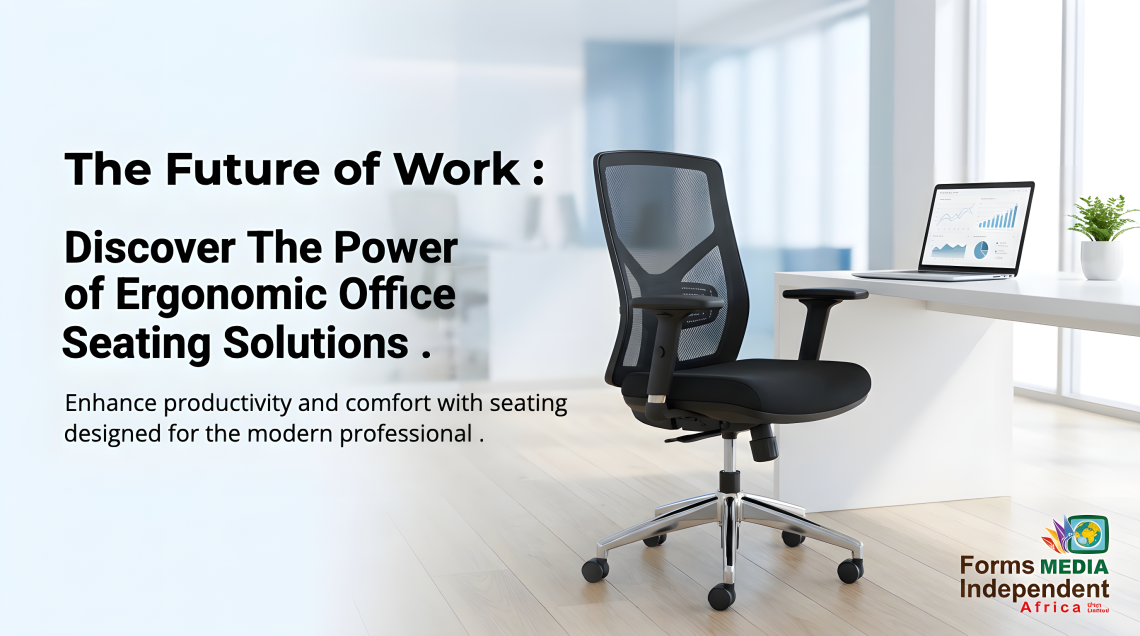
Did you know that prolonged sitting can increase the risk of several chronic diseases by up to 50%? Investing in the right office chair isn’t just about comfort; it’s a crucial step towards safeguarding your health and significantly boosting your productivity. As we head into 2026, the market offers an unprecedented array of ergonomic chairs designed to support your body and enhance your workday. This comprehensive guide will explore the top contenders, essential features, and factors to consider when choosing the best ergonomic chair for your office.
Why Ergonomic Chairs Matter for Your Office
An ergonomic chair is meticulously designed to support the human body in its various working postures. Unlike traditional office chairs, ergonomic models prioritize adjustability, lumbar support, and overall comfort to reduce strain and prevent musculoskeletal disorders. Prolonged periods spent in a poorly designed chair can lead to a host of issues, including back pain, neck strain, carpal tunnel syndrome, and even decreased circulation. Therefore, selecting a chair that promotes good posture and provides adequate support is paramount for anyone spending significant hours at a desk.
The Health Benefits of Ergonomic Seating
Investing in a quality ergonomic chair offers substantial health advantages. These chairs are engineered to align with your body’s natural curves, promoting a neutral spine position. This alignment helps to alleviate pressure on your lower back and can significantly reduce the incidence and severity of back pain, a common ailment among office workers. Furthermore, proper ergonomic support can prevent repetitive strain injuries (RSIs) by distributing weight evenly and reducing stress on joints and muscles. Many users report increased energy levels and reduced fatigue throughout the day, as the chair actively supports rather than hinders their body’s natural movements. A study published in the Journal of Occupational and Environmental Medicine found that providing ergonomic workstations, including chairs, led to a 70% reduction in lost workdays due to musculoskeletal complaints.
Boosting Productivity and Focus
Comfort directly correlates with productivity. When you’re constantly shifting to find a comfortable position or dealing with aches and pains, your focus inevitably suffers. An ergonomic chair eliminates these distractions, allowing you to concentrate fully on your tasks. By providing superior support and promoting good posture, these chairs reduce physical discomfort, leading to improved mental clarity and sustained focus. Consequently, employees in well-equipped ergonomic environments often exhibit higher levels of engagement and output. For instance, companies that implement ergonomic solutions often see a noticeable uptick in task completion rates and a decrease in errors. This is because a comfortable worker is a more engaged and efficient worker.
Key Features to Look for in the Best Ergonomic Chairs
When evaluating ergonomic chairs, several features stand out as critical for optimal support and adjustability. Understanding these components will empower you to make an informed decision that best suits your individual needs and workspace.
Lumbar Support
This is arguably the most critical feature of an ergonomic chair. The lumbar region of your spine has a natural inward curve, and proper support helps maintain this curve, preventing slouching and reducing lower back strain. Look for chairs that offer lumbar support, allowing you to support your spine’s contour. Some chairs offer dynamic lumbar support that adjusts automatically as you move, providing continuous comfort. This feature is essential for long-term spinal health and preventing chronic back pain.
Seat Depth and Height Adjustment
The ability to adjust both the seat height and depth is crucial for achieving proper leg positioning. The seat height should allow your feet to rest flat on the floor with your knees bent at approximately a 90-degree angle. This promotes good circulation in your legs.
For shorter indivisuals, investing in an ergonomic footrest can help maintain the correct seat height to reach the desk surface comfortably while still maintaining a health bend in your knees. S
eat depth adjustment ensures that there’s a comfortable gap (about two to four fingers wide) between the back of your knees and the edge of the seat. This prevents pressure on the back of your thighs and further improves circulation. These adjustments cater to users of different heights and leg lengths, ensuring a personalised fit.
Armrest Adjustability
Adjustable armrests are vital for supporting your arms and shoulders, reducing strain on your neck and upper back. Ideally, armrests should be adjustable in height, width, and pivot (inward/outward). When adjusted correctly, your elbows should rest at approximately a 90-degree angle, with your shoulders relaxed. This prevents you from hunching over your desk and alleviates tension in your upper body. Poorly positioned armrests can actually cause more harm than good, so look for versatile adjustment options.
Breathable Mesh Backrest
A breathable mesh backrest offers superior ventilation, keeping you cool and comfortable, especially during warmer months or in heated offices. Mesh allows air to circulate freely, preventing heat buildup and sweat. This contributes significantly to overall comfort during extended sitting periods. Furthermore, high-quality mesh materials are durable and provide excellent support without sacrificing flexibility. Many modern ergonomic chairs feature advanced mesh designs that conform to your back while promoting optimal airflow.


Tilt and Recline Functionality
While upright posture is important, having the option to tilt or recline can offer much-needed relief and promote better blood flow. Look for chairs with a synchronized tilt mechanism, where the backrest and seat tilt together in a balanced ratio, allowing you to maintain a comfortable and supported posture even when reclining. Some chairs offer advanced tilt tension adjustments and multiple locking positions, giving you greater control over your seating experience. This feature allows for dynamic movement and posture changes throughout the day.
Factors to Consider When Choosing Your Ergonomic Chair
Beyond the specific features and models, several overarching factors should guide your decision-making process. Personal needs, budget, and the specific environment of your office all play a significant role.
Your Body Type and Specific Needs
Ergonomics is not one-size-fits-all. Consider your height, weight, and any pre-existing physical conditions. Taller individuals might need chairs with longer backrests and deeper seats, while heavier individuals require chairs with robust weight capacities and durable cushioning. If you suffer from specific back issues, prioritize chairs with advanced and highly adjustable lumbar support. Understanding your unique physical requirements is the first step to finding the perfect chair. For example, individuals with scoliosis might benefit from chairs offering dynamic, adaptive lumbar support.
Budget and Long-Term Value
Ergonomic chairs represent an investment. While high-end models such as Herman Miller can cost upwards of ZAR 28,000, they are built to last for many years. Cheaper alternatives may seem appealing, but they can lack the adjustability, and durability of premium chairs. Many reputable brands, such as FMIA, offer durable and well-designed ergonomic solutions suitable for various budgets.
Office Environment and Aesthetics
While functionality is key, the chair’s appearance also matters, especially in a professional office setting. Many ergonomic chairs now come in a variety of colours and materials to compliment different office decors. Consider the overall aesthetic of your workspace. Do you prefer a sleek, modern look, or something more traditional? Some companies like FMIA offer customisable options, allowing you to choose fabric, colour, and even frame finishes. Ensuring the chair fits aesthetically can contribute to a more cohesive and pleasing work environment.
Maintaining Your Ergonomic Chair for Longevity
Once you’ve invested in a quality ergonomic chair, proper maintenance is essential to ensure its longevity and continued optimal performance. Regular care will keep it comfortable and supportive for years to come.
Cleaning and Upholstery Care
Different materials require different cleaning methods. For fabric upholstery, vacuum regularly to remove dust and debris. For spills, blot immediately with a clean, damp cloth and mild soap if necessary. Mesh backrests can typically be cleaned with a soft brush and a mild detergent solution. Always refer to the manufacturer’s specific cleaning instructions to avoid damaging the material. Avoid harsh chemicals or abrasive cleaners, as these can degrade the fabric or mesh over time.
Checking and Tightening Mechanisms
Over time, screws and bolts on moving parts can loosen. Periodically check all adjustment levers, armrests, and base components for any wobbling or looseness. Gently tighten any screws or bolts as needed, being careful not to overtighten, which could strip the threads. This simple check ensures that all adjustment mechanisms continue to function smoothly and securely, maintaining the chair’s stability and support.
Understanding Adjustment Controls
Familiarise yourself thoroughly with all the adjustment controls on your chair. Misusing or not fully utilising these features can negate the ergonomic benefits. Take the time to experiment with each adjustment to find the optimal settings for your body. Proper adjustment is key to reaping the full benefits of your ergonomic investment. Remember, the chair is designed to adapt to you, not the other way around.
Conclusion
Choosing the best ergonomic chair for your office in 2026 is a significant decision that impacts your health, comfort, and productivity. By understanding the essential features, considering your personal needs and budget, and exploring top-rated models, you can make an informed choice. An investment in a quality ergonomic chair is an investment in your well-being and professional success. Prioritise support, adjustability, and durability to create a workspace that truly works for you. Remember, the right chair can transform your workday from a source of discomfort to one of sustained energy and focus.
Frequently Asked Questions (FAQs)
It’s beneficial to make minor adjustments throughout the day as your posture or tasks change. However, a thorough re-adjustment to find your optimal ergonomic settings should ideally be done whenever you return to your desk after a break or at the start of your workday.
While an ergonomic chair is designed to reduce the risk and severity of back pain by promoting good posture and providing support, it’s not a guaranteed cure. It works best in conjunction with regular movement, stretching, and proper workstation setup. However, many users experience significant relief from existing back pain.
A high-quality ergonomic chair, when properly maintained, can last anywhere from 5 to 15 years. Premium brands often come with warranties of 10 years or more, reflecting their durability and robust construction. Factors like material quality and usage intensity influence the lifespan.
A4: Both have their benefits. Mesh seats offer excellent breathability and can distribute weight evenly, preventing pressure points. Padded seats, especially those with high-density foam, can offer more cushioning and immediate comfort. The best choice often depends on personal preference and climate; mesh is generally cooler in warmer environments.
Your feet should be flat on the floor, knees at a 90-degree angle, and thighs parallel to the floor. Your back should be supported by the lumbar region, with a slight curve. Armrests should allow your shoulders to be relaxed and elbows bent at 90 degrees. You should feel supported and comfortable without strain.
Reputable suppliers like FMIA offer a range of quality ergonomic chairs designed for comfort and support, catering to various needs and budgets. It’s always advisable to check for product specifications, reviews, and warranty information before purchasing.