
15+ Essential Items for Comfort, Health, and Productivity
Understanding Ergonomics: Why It Matters in Modern Workspaces
What Is Ergonomics?
Ergonomics is the science of designing environments, tools, and tasks to fit human abilities and limitations. In the office, it’s all about creating a workspace that adapts to you — not the other way around. The goal is to reduce physical strain and improve posture, which in turn enhance overall work performance.
An ergonomic workspace isn’t just about fancy furniture; it’s about balance. It considers your body mechanics, the type of work you do, and how long you sit or stand each day. The result? A healthier, more efficient you (not to mention a lower Vitality Age).
The Connection Between Ergonomics and Workplace Productivity
Studies have shown that a well-optimized ergonomic setup can boost productivity by up to 25%. When employees feel physically supported, they experience fewer distractions, less discomfort, and more focus throughout the day.
Common Health Issues Caused by Poor Ergonomics
Ignoring ergonomic principles can lead to long-term issues like:
- Neck and back pain
- Carpal tunnel syndrome
- Eye strain
- Shoulder stiffness
- Fatigue and burnout
That’s why investing in ergonomic must-haves for your office isn’t a luxury — it’s a necessity.
Benefits of an Ergonomic Office Setup
Physical Health Benefits
A properly designed ergonomic office minimises strain on your spine, muscles, and joints. It encourages natural alignment and movement, preventing common ailments associated with desk jobs.
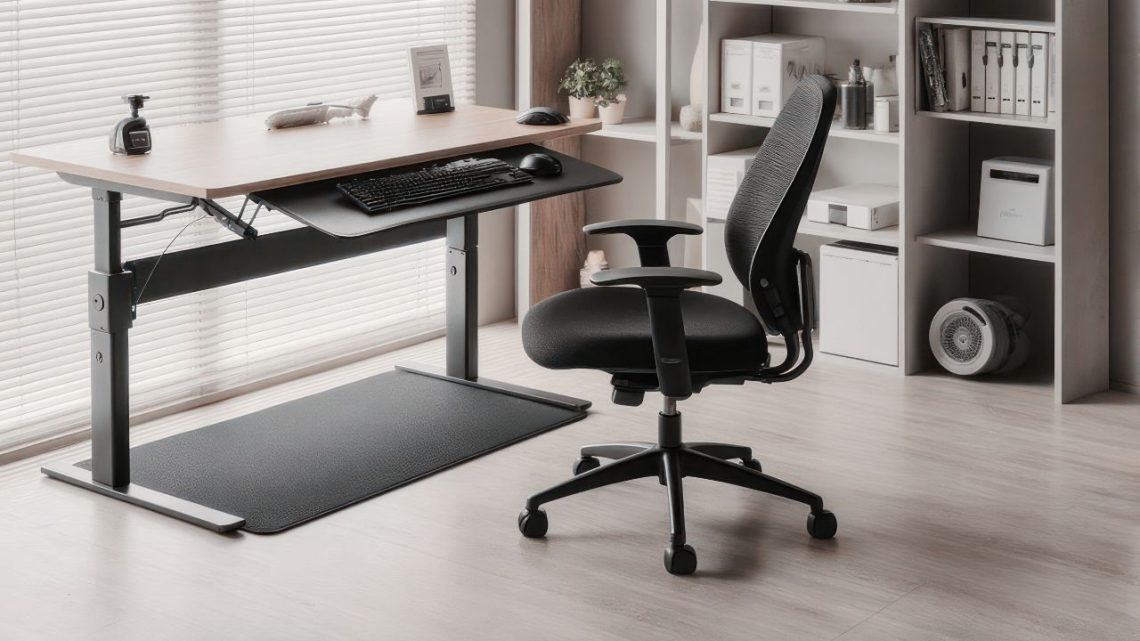
For example, an ergonomic chair supports the lumbar region, while a height-adjustable desk allows alternating between sitting and standing — promoting better blood circulation.
Mental Well-being and Focus
An ergonomic workspace also boosts mental clarity. Reduced discomfort means your brain can focus on tasks rather than body aches. Plus, organized, clutter-free spaces lower stress and improve mood.
Boosting Productivity and Efficiency
Employees in ergonomic work environments often report higher satisfaction and lower absenteeism rates. Comfort directly influences performance, making ergonomics a smart business investment.
Top Ergonomic Must Haves for Your Office
Ergonomic Office Chair: The Foundation of Comfort
Your chair is arguably the most crucial ergonomic investment. Look for models with adjustable lumbar support, seat depth, and armrests. A breathable backrest and cushioned seat make long hours more bearable.
Features to Look for in a Good Ergonomic Chair
- Adjustable seat height and tilt
- 360° swivel base
- Dynamic lumbar support
- Breathable mesh material
Adjustable Standing Desk for Flexibility
Standing desks allow you to change positions throughout the day, reducing prolonged sitting fatigue.
Benefits of Switching Between Sitting and Standing
- Reduces back and neck pain
- Improves energy and circulation
- Prevents posture-related fatigue
Monitor Arm or Stand for Perfect Eye Level Alignment
Keeping your monitor at eye level prevents slouching and neck strain. Adjustable arms also free up desk space, giving a cleaner, more organized look.
Ergonomic Keyboard and Mouse Combo
Traditional keyboards can cause wrist strain. An ergonomic set supports natural wrist positioning and reduces repetitive strain injuries.
How Proper Hand Position Prevents Strain Injuries
- Keeps wrists straight while typing
- Distributes pressure evenly
- Minimises hand fatigue
Lighting Setup: Eye Care Essentials for South African Offices
South Africa’s varied lighting conditions — from bright Cape Town sunlight to dim Johannesburg offices — make proper lighting crucial for eye comfort. Ideally, your workspace should combine natural light with soft artificial illumination to prevent glare and eye strain.
Tips for better lighting:
- Position your desk near a window to benefit from natural light.
- Use a LED desk lamp with adjustable brightness (from around R350–R800) to complement daylight.
- Avoid overhead fluorescent lighting that causes glare and fatigue.
Laptop Stand or Docking Station for Better Posture
For remote workers or laptop users, a laptop stand helps raise your screen to eye level, reducing neck and shoulder tension. Paired with an external keyboard and mouse, it mimics the setup of a full workstation.
In South Africa, ergonomic laptop stands range between R250 and R1,000, depending on quality and adjustability.
Headset and Microphone Setup for Comfortable Communication
Virtual meetings are part of daily work life, especially for hybrid teams. A lightweight Bluetooth headset with noise cancellation (from R500–R2,000) helps maintain clear communication without neck or ear strain.
Cable Management Tools for a Clutter-Free Workspace
Messy cables are not just an eyesore — they also pose tripping hazards and limit workspace flexibility. Affordable cable clips, trays, and under-desk organizers (available for R50–R300) keep everything tidy and safe.
Designing the Perfect Ergonomic Office Layout
Desk Height and Screen Distance Optimization
The ideal desk height should allow your elbows to form a 90-degree angle when typing. Monitors should be an arm’s length away and aligned with your eyes.
Most ergonomic desks in South Africa range from R3,500 to R9,000, depending on brand and design.
Ideal Lighting and Ventilation Setup
Proper airflow improves comfort and concentration. If your home office lacks ventilation, consider an air purifier or small desk fan. Fresh air helps maintain alertness during long hours of work.
Incorporating Plants and Soft Décor for Mental Wellness
Indoor plants like peace lilies, succulents, or snake plants not only beautify the space but also improve air quality. A touch of greenery is known to reduce stress and promote mental clarity — an essential part of an ergonomic environment.
Common Mistakes People Make in Ergonomic Setups
Ignoring Chair Height and Posture Adjustments
Even with the best ergonomic chair, improper posture can still cause pain. Adjust your seat height so your feet rest flat on the ground and your knees remain level with your hips. Can’t sit with your arms at 90 degrees to your desk and have your feet touch the floor at 90 degrees because you are too short? Foot risers are designed for this very purpose and readily available.
Overlooking Breaks and Movement During Work Hours
South Africans often put in long workdays, especially in corporate or remote setups. It’s vital to take 5–10 minute breaks every hour to stretch, walk, or hydrate.
Using One-Size-Fits-All Furniture
Avoid generic furniture without adjustable features. Everyone’s body is different, so furniture should cater to individual proportions and comfort. If you are in an office with standardised furniture, then make sure that you incorporate items like foot risers, monitor stands, back rests on chairs etc. to make the environment as comfortable as possible. Ergonomics doen’t need to cost a fortune if you know what you are looking for.
Budget-Friendly Ergonomic Alternatives (South Africa Edition)
DIY Ergonomic Hacks for Small Spaces
- Use a stack of books as a makeshift monitor riser.
- Add a rolled towel for lumbar support.
- Create a standing desk setup by placing your laptop on a sturdy counter.
Affordable Ergonomic Tools Under R500
| Item | Average Price (ZAR) |
|---|---|
| Ergonomic Mouse Pad | R150 |
| Lumbar Support Cushion | R300 |
| Adjustable Footrest | R450 |
| Cable Management Kit | R200 |
| Anti-Fatigue Mat | R499 |
Even on a budget, you can make meaningful ergonomic upgrades that enhance comfort and productivity without spending thousands.
Maintaining Long-Term Ergonomic Health
Daily Stretching and Movement Exercises
Incorporate light stretching into your daily routine. Focus on the neck, shoulders, and lower back. Apps like Stretchly or Wellness360 (used by many South African corporates) can remind you to move regularly.
Periodic Workspace Reassessment Tips
Every few months, evaluate your workspace setup. As your workload or habits change, your ergonomic needs may shift too. Small tweaks — like adjusting chair tilt or monitor distance — can make a significant difference.
FAQs About Ergonomic Must Haves for Your Office
An ergonomic office chair. It’s the foundation of good posture and comfort, and it prevents most back-related issues.
Not necessarily. While premium brands can be pricey, excellent ergonomic accessories are available locally for under R1,000. Speak with your FMIA representative to find a solution that fits your budget
Use what you have creatively — stack books for height adjustments, add cushions for lumbar support, and ensure your monitor is eye-level.
Every 45–60 minutes, stand up, stretch, or walk. Frequent micro-breaks prevent stiffness and fatigue.
Reliable stores include FMIA branches, Incredible Connection, and ErgoTherapy (for premium ergonomic chairs and desks).
Yes! Alternating between sitting and standing reduces strain and boosts focus. Prices start at around R3,000, depending on size and motorized features.
Conclusion: Building a Workspace That Works for You
Creating an ergonomic workspace doesn’t have to break the bank. By investing in key ergonomic must haves and adjusting your setup for your body, you’ll improve not just your comfort but also your long-term health and productivity.
Whether you’re setting up a small home office in Durban or a corporate space in Johannesburg, these essentials will help you work smarter, not harder.
Learn More:
Learn more about ergonomic health and posture from the South African Society of Physiotherapy (SASP): https://www.saphysio.co.za



I needed to thank you for this great read!! I certainly loved every little bit of it. I’ve got you book-marked to look at new things you